TMJ Pain Management
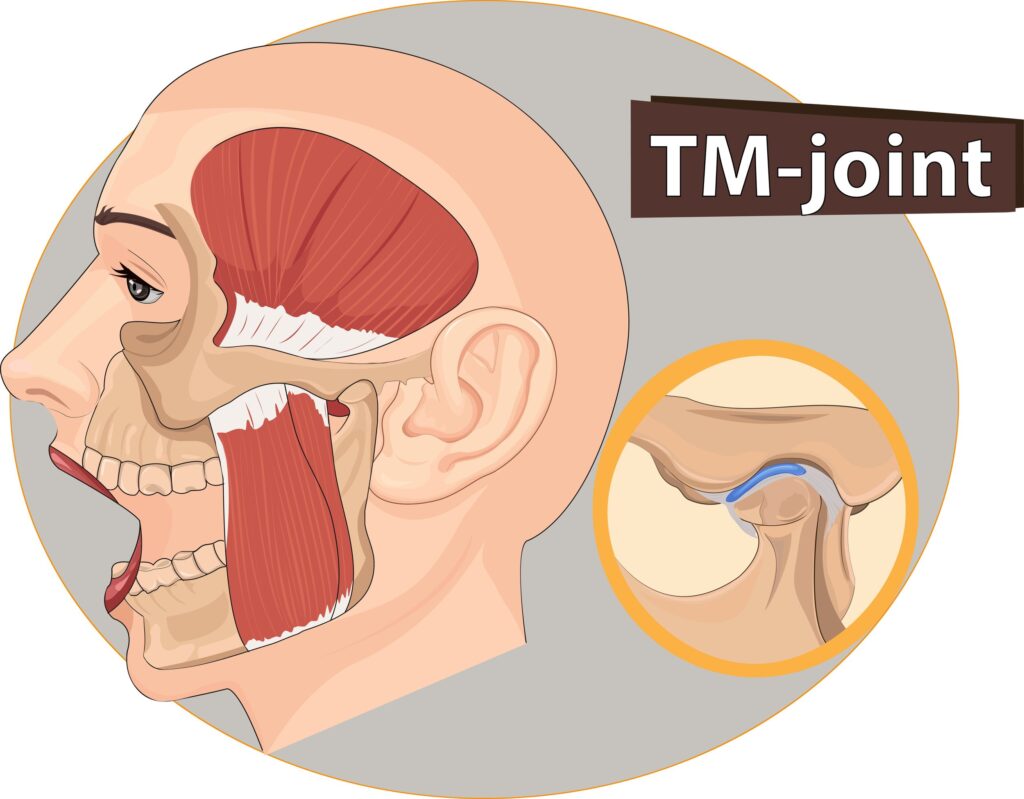
The temporomandibular joint (TMJ), situated just in front of the ear, connects the lower jaw to the skull. It comprises bony components, cartilage, and synovial fluid for smooth movement. TMJ disorders, often associated with pain or discomfort in the joint and adjacent tissues, hinder jaw movement and may involve clicking sounds during function. Stress, habits like teeth grinding, and improper jaw alignment are common contributors.
Recognizing Symptoms:
TMJ disorders present various symptoms, including:
- Jaw pain during chewing, biting, or talking
- Difficulty opening or closing the mouth
- Lockjaw
- Clicking sounds in the joint
- Neck pain, dizziness, earaches, or headaches
Treatment Approaches:
Addressing TMJ disorders involves several strategies:
- Pain-relieving medications and muscle relaxants
- Resting the jaw with soft foods and avoiding excessive mouth movements
- Correcting bite and jaw alignment issues
- Stress-reducing therapies and relaxation techniques
- Customized splints or bite guards to prevent teeth clenching and grinding
- Physiotherapy and gentle jaw exercises
- Treating underlying conditions like arthritis
Intra-Articular Injection:
In severe cases, an intra-articular injection may be considered, delivering corticosteroids directly into the affected joint to alleviate symptoms. This option is reserved for selected cases based on disease severity and patient health status.
Explore comprehensive TMJ pain management solutions tailored to your individual needs for lasting relief and improved jaw function.